
Everything you want to know about Psilocybin in one thoughtfully designed book.


The Fadiman Protocol for microdosing mushrooms has attracted attention for its purported ability to improve problem-solving abilities, creativity, and general cognitive function. It's also considered one of the best microdosing regimens for beginners. Let's explore why.
James Fadiman, a pioneer in psychedelic research, has left an imprint on the fields of psychology and transpersonal studies. While obtaining a PhD from Stanford University in 1965, James Fadiman was introduced to psilocybin by his friend Richard Alpert, also known as Baba Ram Dass. This marked the beginning of his profound exploration into the world of psychedelics.
Dr. James Fadiman is recognized for creating the first standardized microdosing protocol — the regulated administration of modest, sub-psychedelic dosages of psychedelics such as psilocybin or LSD.
The Fadiman Protocol suggests that people ingest a microdose once every three days.
The James Fadiman microdosing Protocol is well-established and some clinical trials for microdosing have used this particular microdosing regimen. This protocol is considered low-risk and suitable for beginners new to microdosing.
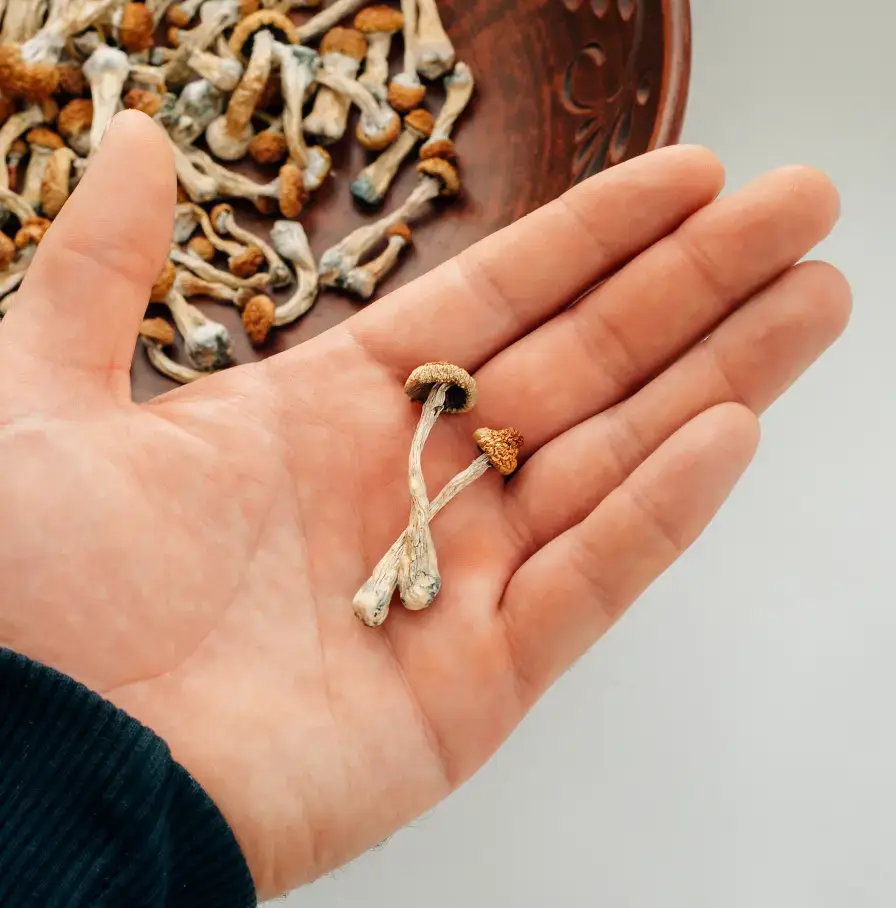
The Fadiman Protocol revolves around the use of either psilocybin mushrooms or LSD with the dose ranging from 5% to 10% of a standard recreational dose. For instance, if your standard dose of magic mushrooms is 2 grams, a microdose would be anywhere from 0.1 to 0.2 grams of dried psilocybin-containing mushrooms.
If you decide to go with Fadiman Protocol, you take a dose every third day followed by the two-day rest period, and continue this schedule for four to eight weeks. Of course, you are a free human being and can change or adjust as you wish. You have the power when it comes to microdosing.
Many microdosing advocates recommend that you take a break of two to four weeks after following the schedule for four to eight weeks. Your tolerance can reset and you will have time to integrate the lessons you've learned.
This resting phase is important to allow your body and mind to recalibrate. It provides an opportunity for reflection and integration of insights the microdosing regimen creates. The key is to listen to your body and mind, making sure that the protocol aligns with your overall well-being and personal goals.

In the pursuit of cognitive enhancement and treatment of mental health conditions, people are constantly seeking new and innovative methods to find effective, sustainable solutions. While clinical studies on microdosing remain limited, a wealth of anecdotal reports demonstrate its healing potential. Let's explore the benefits of the Fadiman Protocol.
Many individuals turn to microdosing for its positive impact on mental health, including decreased levels of anxiety and stress, as well as relief from depression. One study conducted a comprehensive online survey, where participants who microdosed were asked to evaluate its effects in comparison to alternative treatments for anxiety and depression. The responses revealed that individuals perceived microdosing to be more efficacious than specific treatments.
Microdosing may bolster short-term focus, enabling individuals to engage in more sustained, concentrated work on projects. Research indicates reduced levels of distractibility in people who are microdosing.
.png)
Anecdotal reports suggest that for some individuals, microdosing appears to enhance cognitive function, allowing their brains to operate at an elevated level and fostering a heightened receptivity to fresh ideas.
A 2019 study backed up these first-hand stories. It revealed that participants reported experiencing enhanced cognitive functioning on the days they microdosed.
Many individuals find that microdosing supports their efforts to break unhealthy habits, including alcohol consumption or smoking. Some even express a reduced reliance on commonplace stimulants like coffee during periods of microdosing.
The Stamets Protocol differs from Fadiman's in its schedule and ingredients.
Stamets recommends four days on, three days off. The psilocybin is often combined with a "stack" of lion's mane mushroom and niacin. This combination is sometimes called the "Stamets Stack."
The idea, as one proponent explains, is that "psilocybin mushrooms promote neuroplasticity and new neural connections, lion's mane promotes the creation of new nerve and brain cells, and niacin drives these two medicines to the furthest reaches of the nervous system."
Fadiman Protocol suits people who want a minimal, well-documented starting framework, value longer integration periods, prefer a conservative schedule, or are simply newer to the practice.
Stamets Protocol may appeal to those interested in neurogeneration as a primary goal, who are comfortable with more frequent dosing, or who want to explore the synergistic effects of the stack.
Neither is objectively better. Stamets himself changed his recommended schedule from five days on / two days off to four days on / three days off. So feel free to experiment and think for yourself.
There's also a third approach worth mentioning: intuitive or "as-needed" dosing. This is practiced by some experienced microdosers with a strong relationship with the mushrooms. They take a dose whenever they feel like it, without following any specific protocol.
This is perhaps not where you will start as a complete beginner, but it's where many people eventually land.
The Fadiman Protocol offers a promising approach to using psilocybin for therapeutic or health reasons.
Hopefully, we will see more research with positive outcomes in the future. If you want to learn more about various ways to microdose, read "Exploring Microdosing Protocols".
If you want to talk with a human to discuss your situation, feel free to book a free intro call with Mushroom Tao.


Start working with mushrooms in the comfort of your own home.

Receive suppport on your journey from an experienced facilitator.

Enjoy mentorship as you hold space for and share mushrooms with others.
Our Process
A 15-minute video call on the signal app to connect and explore how Mushroom Tao can support you. You'll be able to ask questions, share your intentions, and express any concerns you may have. We are happy to explore ways to be of service.
Supporting journeyers and facilitators since 2018

Working with Mushroom Tao has had a significant and profound positive impact on my life. I am finally the very best version of myself! Thank you so much!
Christine U
Mushroom Tao is my go-to source for patients who are looking to heal and work with plant medicine. Chi provides quality product that is consistent and reliable. He also offers harm reduction education and personalized support.
Dr F., Functional Medicine Doctor, Midwest
My performance at work, progress in therapy, and ability to cope with stress have continued to improve year after year...I'm deeply grateful and excited to see how many more lives are changed by this incredible work.
Anonymous
My patients and I have experienced tremendous success thanks to Mushroom Tao's exceptional products, comprehensive integration support, and remarkable outcomes.
Virginia Clagg PhD(ABD), MBA, Clinical Hypnotherapist
As part of my journey of healing from early childhood trauma, I use Mushroom Tao's chocolate once a month.
D.S.
Working with Mushroom Tao has had a significant and profound positive impact on my life. I am finally the very best version of myself! Thank you so much!
Christine U
Mushroom Tao is my go-to source for patients who are looking to heal and work with plant medicine. Chi provides quality product that is consistent and reliable. He also offers harm reduction education and personalized support.
Dr F., Functional Medicine Doctor, Midwest
My performance at work, progress in therapy, and ability to cope with stress have continued to improve year after year...I'm deeply grateful and excited to see how many more lives are changed by this incredible work.
Anonymous
My patients and I have experienced tremendous success thanks to Mushroom Tao's exceptional products, comprehensive integration support, and remarkable outcomes.
Virginia Clagg PhD(ABD), MBA, Clinical Hypnotherapist
As part of my journey of healing from early childhood trauma, I use Mushroom Tao's chocolate once a month.
D.S.


