
Microdosing is a slow, steady, and gentle approach to exploring psilocybin. You may experience benefits from your first day microdosing, or it may take weeks or months to recognize the positive effects. It’s essential to be patient and develop faith in the practice.
If you commit to the process, you are bound to benefit from the medicine, often in unexpected ways. This section will help you understand how to microdose safely and effectively.
Determining the ideal amount to microdose may require some time and experimentation. The general advice among the microdosing community is to “start low and go slow.” You can increase your dosage at any time.
Remember that each psilocybin mushroom species and strain contains varying potency levels. Even if you are an experienced mycologist or psychonaut, it can be tricky to know the exact strength of an individual mushroom or truffle until you ingest it. Here is an excellent resource if you’d like to learn more about different strains and potency.
The journey of a thousand miles begins with one step.
Lao Tzu
You may want to begin with a dosage between 0.05 and 0.15 grams (50 and 150 mg) of dried mushrooms. You can adjust the dosage as you start to understand how psilocybin affects your body and mind.
It can be helpful to keep a journal or log of your dosages and experiences during the first few days or weeks of your microdosing journey. This way you can easily develop a dosing protocol that works for you. Writing can also be a powerful practice in reflection and expression. You can either start your own journal or get a specific microdosing journal such as this or this.
Alternatively, you might consider using tracking apps such as Houston, Tune In Psychedelics: MicroDose Tracker, or Microdose.me.
If you are microdosing for the first time, it may be best to try it on a day when you don’t have too much going on. When you’re first getting used to microdosing, you may find that you’ve accidentally taken more than a microdose, causing you to experience minor psychedelic effects. If this happens, remember that the effects will pass in a few hours. To help manage any unpleasant emotions or fears that arise, remain calm, focus on your breath, and take a moment of silence to collect yourself. Smile and remember the journey will always end.
There are different approaches to creating a microdosing schedule. If you are a beginner, some structure and planning may be helpful. Once you gain some experience, you may develop a more intuitive go-with-the-flow approach. The psilocybin journey helps you remember to trust and listen to your intuition.
Here are some scheduling ideas to get you started.
Dr. James Fadiman recommends a one-day-on, two-days-off schedule, in which you would take your microdose one day, take the next two days off, and then repeat the cycle.
Paul Stamets recommends a four-days-on, three-days-off schedule. Previously, he recommended a five-day-on, two-day-off schedule.
Some journeyers take a microdose every other day or on the same three days each week (for example, Mondays, Wednesdays, and Fridays).
As with any substance, the body can build a tolerance to psilocybin, causing diminishing returns. The off days allow this tolerance to dissipate.
Some veteran psilocybin users recommend taking one to two weeks off from microdosing every two to three months to avoid building a long-term tolerance to psilocybin.
One helpful way to determine how to start is to read or ask questions in forums such as r/microdosing where beginners and experienced microdosers discuss their practice and recommend scheduling protocols.
Many practitioners suggest taking your dose first thing in the morning. This way, any beneficial stimulating effects will endure throughout the day and not interfere with sleeping patterns. You can microdose on an empty stomach or with food or drink.
On the other hand, some people only microdose at night because they feel too tired if they take their dose during the day.
As you can see, there are varying ideas and opinions about microdosing schedules and protocols. As you gain experience, you’ll be able to develop your own perspective and choose one that works for you.
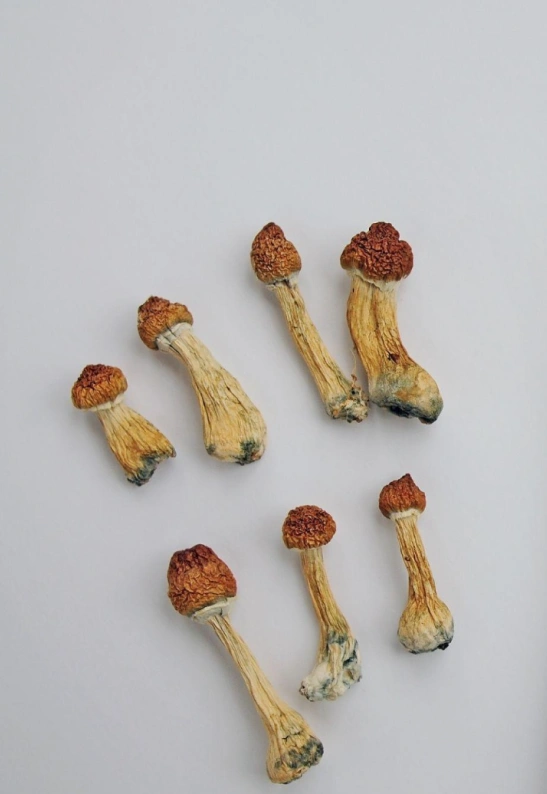
There are several ways you can take your microdose.
If you have access to medicine that has already been processed into capsules, gummies, tinctures, or chocolates, follow the instructions provided by the person or company from whom you sourced the products.
If you are working with whole dried mushrooms, you can keep it simple by weighing your dose on a precise digital scale and consuming the mushroom as it is.
Alternatively, you can grind the mushrooms into a fine powder so you can put them into capsules or add them to a non-alcoholic beverage such as water, tea, juice, or a smoothie.
To grind the mushrooms, you can use an electric spice or coffee grinder, food processor, or high-powered blender.
In addition to the psilocybin mushrooms, you may wish to add other helpful ingredients such as:
While microdosing, some people do not encounter any unpleasant effects. However, depending on your mental and emotional state, you may experience certain adverse effects, particularly when you first begin. For example, feelings of depression or anxiety may seem to worsen instead of improving at first. You may feel irritable, tired, drowsy, or experience headache, nausea, or lack of focus. You may be unusually sensitive, frustrated, or quick to anger.
Ask yourself: Am I willing to stick with the practice, even in the face of challenges? Am I willing to fully feel even the unpleasant sensations? Can I practice surrender when life doesn’t go as I want or expect?
Throughout this process, you may find it challenging to focus on work. Because microdosing can expand your awareness and engender a sense of spaciousness, your analytical mind may shift into the background. In the short-term, mundane problem-solving skills may seem to weaken. You may find it hard to focus on spreadsheets, documents, or conversations.
At times, you may feel spaced out or ungrounded. You may fear you are losing control. These experiences can be jarring if you have developed a strong attachment to the intellectual aspect of your mind.
The key is to stick with the practice, even when it might be challenging. It’s like going to the gym with the aim of strengthening your body and building muscle. Ask any body builder or fitness instructor and they will tell you that achieving your goals will take time and continued persistent effort. By making the commitment to go to the gym consistently, even when things are tough and you’d rather eat ice cream and watch a movie, you will inevitably start seeing changes and feel yourself becoming healthier.
It is much the same with microdosing — in order to get the best results, it’s important to be dedicated to the practice, give the mushrooms time to work, and allow yourself to integrate new thought patterns. A big part of the practice is letting go of any preconceived expectations of receiving instant gratification. Microdosing is a long, progressive journey. Your patience and diligence will bring meaningful benefits to your life, even if the process seems challenging at first.
